

What to Eat on Semaglutide: A Nutrition Guide for Optimal Results
What if the most important part of your weight loss journey isn't the injection itself, but the fuel you choose to support it? Many people starting this medication find themselves stuck between the excitement of progress and the frustration of side effects like nausea or fatigue. You might worry about whether you're eating enough or if you're losing muscle instead of fat. It's a common concern, especially when your appetite changes so significantly. Understanding what to eat on semaglutide is the most effective way to manage these challenges while ensuring your body remains energized and healthy.
We understand that navigating these nutritional changes can feel complex without a clear plan. You deserve a strategy that prioritizes protein to protect your lean muscle and focuses on foods that are gentle on a digestive system experiencing delayed gastric emptying. In this guide, we provide a concrete shopping list and professional insights to help you minimize GI upset. You'll learn how to structure your meals to maximize fat loss and maintain steady energy levels throughout the day. By the end of this article, you'll have a manageable, science-backed roadmap for your daily nutrition.
Key Takeaways
- Understand how delayed gastric emptying changes your hunger signals and why smaller, frequent portions are essential for comfort.
- Discover what to eat on semaglutide to prioritize lean protein and fiber, ensuring you protect muscle mass while supporting digestive regularity.
- Identify the specific high-fat and sugary food triggers that cause nausea and reflux, allowing you to minimize common side effects.
- Learn the balance of maintaining a healthy calorie deficit without the risks of undereating or nutritional deficiencies.
- Get a practical, repeatable meal planning template that simplifies your daily nutrition and supports sustained energy levels.
Understanding How Semaglutide Changes Your Nutritional Needs
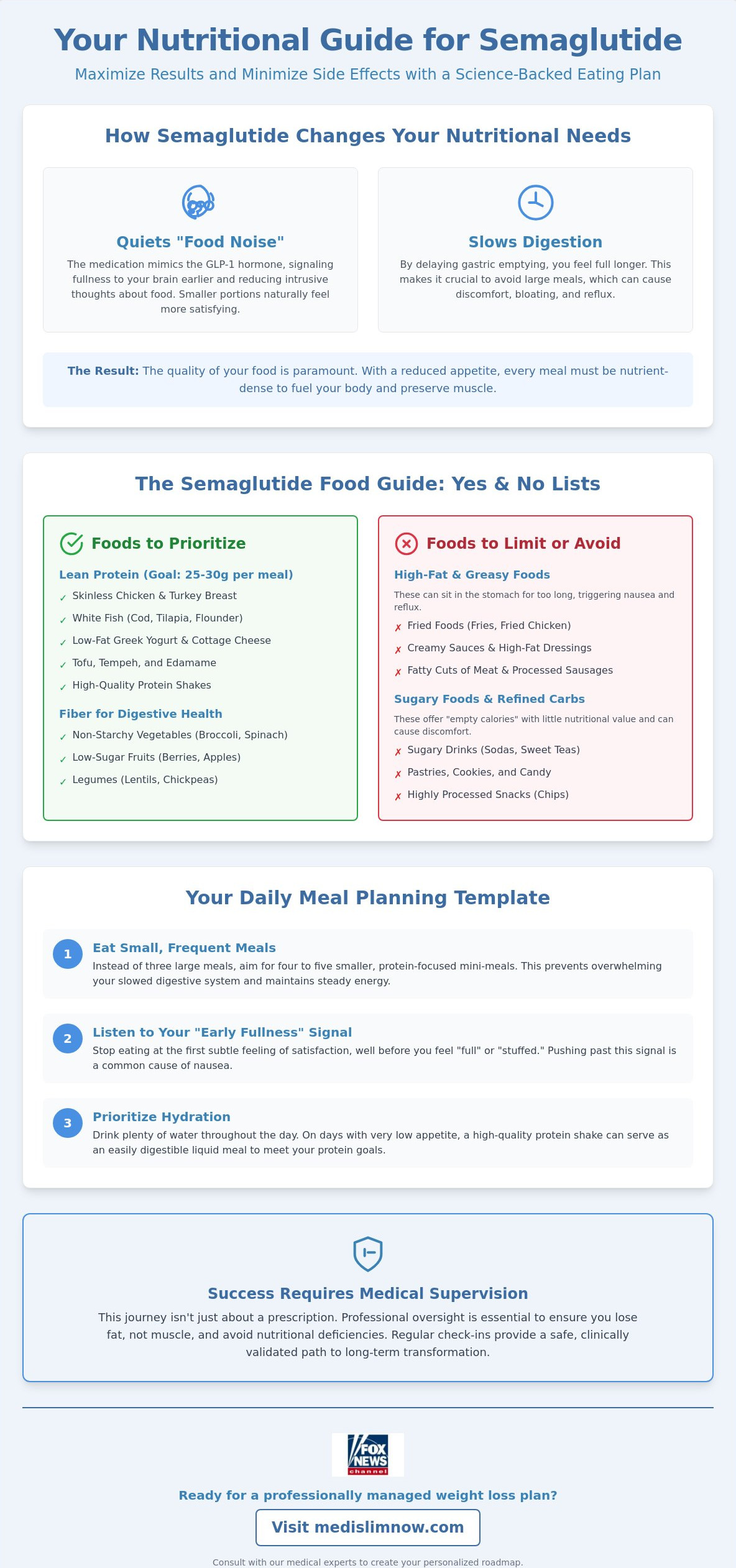
Starting a medical weight loss journey changes more than just the number on the scale; it fundamentally shifts how your body interacts with food. The medication semaglutide works by mimicking the GLP-1 hormone, which targets the areas of your brain that regulate appetite and intake. This biological shift effectively silences "food noise," the persistent and intrusive thoughts about eating that often lead to overconsumption. Because your brain receives signals of satisfaction much earlier, smaller portions naturally become your new normal.
When you eat significantly less, the quality of your food becomes your highest priority. You cannot afford to fill your limited stomach capacity with empty calories that provide no nutritional value. Deciding what to eat on semaglutide requires a focus on nutrient density. Every meal must work harder to provide the essential vitamins, minerals, and proteins your body needs to maintain its daily functions and preserve lean muscle mass while you lose fat.
The Role of Delayed Gastric Emptying
One of the primary ways this medication works is by slowing down the rate at which your stomach empties, a process known as delayed gastric emptying. While this helps you feel full for longer periods, it also means that large or heavy meals can sit in your stomach for an extended time. This often leads to discomfort, bloating, or reflux if you don't adjust your habits. It's vital to learn how to recognize your body's "early fullness" signal. This is a subtle feeling of satisfaction that occurs well before you feel stuffed. If you push past this signal, nausea is a likely result. You may also find that liquid calories, such as protein shakes, are processed more easily than dense, solid foods during the first few weeks of treatment.
Why Medical Supervision is Essential
Success on this medication isn't just about the prescription; it's about the professional oversight that ensures you're losing weight safely. Rapid weight loss can sometimes lead to unintended muscle loss or nutritional deficiencies if your intake isn't carefully monitored. Regular check-ins at our Richmond or Henrico clinics allow us to evaluate your progress and adjust your plan based on real-time feedback from your body. We help you manage your dosage alongside your nutritional intake to prevent malnutrition and ensure your energy levels remain stable. This supervised approach transforms a self-guided struggle into a professionally managed medical process, providing the safety and clinical validation you need for long-term transformation.
The Semaglutide "Yes List": Foods to Prioritize
Choosing what to eat on semaglutide is about more than just avoiding discomfort. It's about protecting your metabolic health. When your appetite is significantly reduced, your body still requires a specific baseline of nutrients to function. Prioritizing the right foods ensures that the weight you lose comes from fat stores, not vital muscle tissue. Every meal should be a deliberate choice to support your body's transformation.
Protein-First Nutrition
Muscle preservation is the most critical challenge during rapid weight loss. Without adequate protein, your body may break down muscle tissue for energy. This condition, known as sarcopenia, can lower your metabolic rate and make long-term weight maintenance much harder. You should aim for 25-30 grams of high-quality protein at every meal to stimulate muscle protein synthesis and maintain your strength.
Focus on these lean, easily digestible sources:
- Skinless chicken and turkey breast
- White fish like cod, flounder, or tilapia
- Low-fat Greek yogurt and cottage cheese
- Tofu, tempeh, and seitan
On days when your appetite is at its lowest, high-quality protein shakes are an excellent tool. They provide necessary amino acids without the volume of a full meal. Integrating medical nutrition therapy into your routine helps you maintain this balance effectively. If you're unsure how to meet these targets, a medical weight loss consultation can provide a personalized roadmap for your specific needs.
Fiber and Digestive Support
Because the medication slows digestion, maintaining regularity is essential for your comfort. Constipation is a common side effect that is often preventable with the right fiber intake. Soluble fiber is particularly helpful because it absorbs water and helps manage blood sugar levels, preventing the spikes and crashes that lead to fatigue.
Include these fiber-rich options in your daily plan:
- Berries, especially raspberries and blackberries
- Chia seeds and ground flaxseeds
- Leafy greens like spinach and kale
- Cruciferous vegetables such as broccoli and cauliflower
Small portions of prebiotic foods, such as beans and lentils, support a healthy gut microbiome. These should be introduced slowly to monitor your tolerance, as they can cause gas in some individuals. Steady energy levels also depend on slow-digesting complex carbohydrates like quinoa or steel-cut oats, which provide fuel without causing digestive distress.
Finally, remember that water alone is often insufficient for proper hydration. Your body needs electrolytes like magnesium and potassium to stay hydrated at a cellular level. As you lose weight, your body flushes out these minerals. Adding a sugar-free electrolyte supplement to your water can prevent the "brain fog" and muscle cramps that some patients report during the initial phases of treatment.
Foods to Avoid to Minimize Nausea and Side Effects
While you focus on nutrient density, you must also recognize the foods that interfere with your progress. High-fat and fried foods are the most common triggers for gastrointestinal distress. Because the medication slows your digestion, these heavy fats remain in your stomach for an extended period. This delay often leads to significant acid reflux and a persistent feeling of nausea. Identifying these triggers is a key part of mastering what to eat on semaglutide to ensure a comfortable experience.
Sugary snacks and refined carbohydrates pose a different risk. They can lead to rapid blood sugar swings or a condition known as "dumping syndrome," where sugar moves too quickly into the small intestine. This often results in dizziness, sweating, and abdominal cramping. For a more detailed breakdown of specific items to bypass, you can consult a comprehensive semaglutide food list to help guide your grocery shopping and meal preparation.
Carbonated beverages and spicy dishes should also be consumed with caution. Carbonation introduces excess air into a digestive tract that is already moving slowly, which frequently causes painful bloating and a premature sense of over-fullness. Similarly, spicy ingredients can irritate the lining of the esophagus and stomach, triggering heartburn more easily than before you started your treatment. Small adjustments to your seasoning and beverage choices can significantly improve your daily comfort.
Identifying Trigger Foods
We recommend keeping a simple food log during your first few weeks of treatment. Documenting what you eat and how you feel two hours later helps you identify personal sensitivities. This is especially helpful for managing the "sulfur burp" phenomenon. These unpleasant burps occur when proteins sit in the stomach too long and begin to ferment, releasing hydrogen sulfide gas. Reducing your intake of ultra-processed foods can also help, as these items often feel "heavier" and are more difficult for your body to process efficiently.
Alcohol and Semaglutide
Alcohol requires careful consideration while on GLP-1 medications. It can significantly impact blood sugar regulation and increase your risk of hypoglycemia. Additionally, cocktails are often high in sugar and contribute to rapid dehydration, which worsens nausea and fatigue. If you're attending social gatherings in Midlothian or Glen Allen, we suggest opting for sparkling water with a splash of lime or a sugar-free mocktail instead. This allows you to participate in the social experience without compromising your health goals or your clinical results.
Calorie Strategy: How Much Should I Eat to Lose Weight?
Achieving a sustainable weight loss goal still requires a calorie deficit. While the medication simplifies this process by reducing hunger, you must still be intentional about your intake. The goal is to eat enough to fuel your body while maintaining a deficit that encourages fat burning. Understanding what to eat on semaglutide involves more than just picking healthy items; it requires a strategy that balances your energy needs with your weight loss objectives.
Many people worry about "starvation mode," but the more immediate medical risk is chronic undereating. If your caloric intake drops too low for too long, your body may begin to break down lean muscle for energy. This can stall your metabolism and leave you feeling depleted. We use Styku 3D Body Composition Analysis to establish a precise baseline for your Basal Metabolic Rate (BMR). This ensures your plan is based on your actual physiology rather than a generic estimate.
Calculating Your Daily Needs
Your daily caloric target is determined by two main factors: your Basal Metabolic Rate (BMR) and your Total Daily Energy Expenditure (TDEE). Your BMR is the amount of energy your body uses just to stay alive, while your TDEE includes your physical activity. For most patients, a 500 calorie daily deficit from their TDEE is the "sweet spot" for consistent, sustainable fat loss. Our Richmond physicians work closely with you to find this specific target number, ensuring it supports your health and your lifestyle.
Tracking Progress Beyond the Scale
The number on the scale doesn't tell the whole story of your transformation. It cannot distinguish between the loss of body fat and the loss of essential muscle or water weight. This is why we utilize Styku scans in our Mechanicsville clinic. These scans provide a 3D view of your progress, allowing us to see exactly where you are losing inches. By analyzing this body composition data, we can make informed adjustments to your protein and calorie intake. If you're ready to see your progress in 3D, you can schedule a medical weight loss consultation today.
Your Semaglutide Meal Planning Template
Building a daily plate requires a structured approach. It ensures you meet your nutritional goals without overwhelming your digestive system. When deciding what to eat on semaglutide, follow a simple hierarchy. Protein comes first. Fiber follows. Energy-providing carbohydrates come last. This sequence helps manage blood sugar and ensures you consume the most vital nutrients before your stomach signals that it's full. Because your appetite is reduced, every bite must serve a biological purpose. Understanding exactly what to eat on semaglutide helps you avoid common pitfalls like fatigue or muscle loss.
A standard meal should include these four components:
- Lean Protein: A 4-6 ounce portion. This is your primary defense against muscle loss. Focus on chicken, fish, or plant-based alternatives.
- Non-Starchy Vegetables: 1-2 cups. These provide volume and essential fiber without causing the heavy feeling associated with denser foods.
- Complex Carbohydrates: A small serving, approximately half a cup. Options like quinoa, lentils, or berries provide steady energy without causing significant insulin spikes.
- Healthy Fats: Used in moderation. A small amount of avocado or olive oil supports nutrient absorption and hormone health.
Sample Daily Menu
This menu provides a balance of nutrients while remaining gentle on a stomach experiencing slowed digestion. It prioritizes ease of digestion alongside high nutrient density.
- Breakfast: High-protein Greek yogurt topped with fresh berries and hemp seeds. This combination offers protein, fiber, and omega-3 fatty acids to start your day.
- Lunch: A grilled chicken salad featuring leafy greens, a light vinaigrette, and a side of quinoa for sustained energy.
- Dinner: Baked salmon served with roasted asparagus and a small sweet potato. Salmon provides essential fatty acids that support heart health during weight loss.
- Snack: A high-quality protein shake or a small handful of raw almonds. These are excellent for maintaining energy levels between smaller meals.
Practical Tips for Success
Your eating habits are just as important as your food choices. We recommend eating slowly and chewing thoroughly to aid the digestive process. Stop eating as soon as you feel "neutral" or comfortably satisfied. If you wait until you feel "stuffed," you've likely overeaten for your current digestive speed. This often leads to nausea or reflux later in the evening. Learning to listen to these subtle satiety signals is a vital part of your long-term success.
Whenever possible, prioritize solid protein over liquid calories. Solid food stays in the stomach longer and provides a greater sense of satiety. However, keep protein shakes available for those days when your appetite is significantly suppressed. To ensure this plan fits your unique metabolic needs, schedule your consultation at Medi Slim to personalize this template. Professional oversight allows us to adjust these portions based on your Styku body composition results and your specific weight loss progress.
Start Your Personalized Nutrition Plan Today
Mastering your diet is the most effective way to ensure your medical weight loss journey is both comfortable and successful. You now have a clear framework for selecting nutrient-dense proteins and fiber-rich vegetables while avoiding the heavy, processed foods that often trigger GI distress. By focusing on what to eat on semaglutide, you move beyond simple calorie counting and begin to nourish your body for long-term health. This intentional approach protects your energy levels and supports your body's transformation.
We provide the professional oversight necessary to navigate these changes with confidence. Our physician-supervised programs include Styku 3D Body Composition Analysis to ensure you're losing fat while preserving vital lean muscle. We offer personalized nutrition plans specifically designed for Henrico and Midlothian residents to simplify your daily routine. Book Your Medical Weight Loss Consultation in Richmond today to receive a plan tailored to your unique biology. Your path forward is well-defined, uncomplicated, and professionally managed.
Frequently Asked Questions
Can I eat whatever I want on Semaglutide and still lose weight?
No, you should focus on food quality to manage side effects and ensure long term health. While the medication reduces your appetite and leads to weight loss, eating high fat or sugary foods often causes severe nausea and reflux. Nutrient dense choices help you maintain your energy and ensure your body receives essential vitamins. It's a medical process that requires proper fuel rather than a simple struggle of willpower.
What happens if I don’t eat enough protein while taking weight loss shots?
You risk losing significant muscle mass if your protein intake is too low. When your body is in a calorie deficit, it may break down muscle tissue for energy if it doesn't receive enough amino acids from your diet. This can slow your metabolism and make it harder to maintain your results. We recommend prioritizing 25 to 30 grams of lean protein at each meal to protect your lean tissue.
How much water should I drink daily on Semaglutide?
You should aim to drink at least 64 to 80 ounces of fluids every day. This medication can increase the risk of dehydration, especially if you experience a reduced thirst drive or mild nausea. Water is the best choice, but including sugar free electrolytes is also beneficial for maintaining cellular hydration. Proper fluid intake helps your kidneys process metabolic waste and keeps your energy levels stable during your transformation.
Is it okay to skip meals if I am not hungry?
It's generally better to eat small, nutrient dense portions than to skip meals entirely. Even when you don't feel hungry, your body still requires a baseline of protein and micronutrients to function correctly. Skipping meals can lead to sudden blood sugar drops and persistent fatigue later in the day. If a full meal feels like too much, try a small protein shake or a light snack to keep your metabolism supported.
Why do I feel nauseous after eating even small amounts?
Nausea usually occurs because the medication slows down your gastric emptying process. Food stays in your stomach longer, and eating too quickly can cause discomfort or reflux. Learning what to eat on semaglutide involves choosing lighter, easily digestible foods and stopping at the first sign of satisfaction. If you eat past the point of "neutral" fullness, your stomach may become overextended, which is a primary trigger for nausea.
Do I need to take vitamins or supplements while on this medication?
Many patients benefit from a high quality multivitamin to fill nutritional gaps caused by a smaller appetite. Because you are consuming less food, it is more challenging to meet all your daily micronutrient requirements through diet alone. We often suggest adding electrolytes to your routine to prevent the headaches and brain fog associated with rapid weight loss. We can provide specific recommendations based on your unique health profile during a consultation.
How many calories should I eat to lose weight without feeling tired?
A daily deficit of approximately 500 calories from your total energy expenditure is typically the most sustainable target. This amount encourages fat loss while providing enough energy for your daily activities and exercise. Understanding what to eat on semaglutide ensures that these calories come from high quality proteins and complex carbohydrates. If your intake drops too low, you may experience chronic fatigue and a significant stall in your metabolic rate.
Can I eat spicy food while on Semaglutide?
You can eat spicy food, but it may trigger heartburn or acid reflux more easily than before. Slowed digestion means that spicy ingredients remain in your stomach for a longer duration, which can irritate the digestive lining. We suggest testing small amounts to determine your personal tolerance levels. If you experience discomfort, it's best to stick to milder seasonings until your system fully adjusts to the medication and your new eating patterns.