

Side Effects of GLP-1 Agonists: A Comprehensive Guide to Safe Weight Loss in 2026
What if the nausea you fear isn't a sign to stop your weight loss journey, but a signal that your dose simply needs professional adjustment? Many people hesitate to start treatment because they're worried about the side effects of GLP-1 agonists like Semaglutide or Tirzepatide. It's a valid concern, especially when you hear stories of extreme fatigue or digestive distress. However, experiencing these medications doesn't have to be a struggle of willpower against your own body.
You likely want the life-changing benefits of medical weight loss without feeling sidelined by daily discomfort. We understand that the line between a normal adjustment period and a serious health risk can feel blurry. This guide will show you how to identify, manage, and prevent common issues through professional medical oversight and personalized care. You'll learn the difference between manageable symptoms and red flags, practical ways to stop nausea, and how tools like Styku 3D Body Composition Analysis ensure you're losing fat rather than vital muscle. By moving away from self-guided efforts toward a supervised program, you can navigate your transformation with quiet confidence and clinical safety.
Key Takeaways
- Learn why delayed gastric emptying causes prolonged fullness and how this biological mechanism contributes to initial digestive adjustments.
- Discover practical, physician-approved strategies to manage common side effects of GLP-1 agonists, including specific protocols for nausea and hydration.
- Identify the critical warning signs of rare complications like pancreatitis to help you distinguish between expected symptoms and serious medical risks.
- Understand how personalized titration schedules and local medical oversight in Richmond minimize discomfort while maximizing your weight loss results.
- Explore how Styku 3D Body Composition Analysis ensures your progress focuses on fat loss rather than the risk of muscle wasting.
Understanding GLP-1 Agonist Side Effects: Why They Occur
Your body naturally produces a hormone called Glucagon-like peptide-1 (GLP-1) in the gut. This hormone signals your brain that you're full and helps regulate your blood sugar. GLP-1 receptor agonists are medications designed to mimic this natural process, but they stay in your system much longer than the hormones your body makes on its own. While this helps with weight loss, it also explains why the side effects of GLP-1 agonists occur.
GLP-1 agonists are incretin mimetics that regulate blood sugar and appetite. Most symptoms aren't "errors" in how the drug works. Instead, they're often "on-target" effects. For instance, the medication slows down gastric emptying. This means food stays in your stomach for a longer duration. You feel full sooner, but that same delay can lead to nausea if your system isn't yet accustomed to the change. Understanding this biology helps reduce the anxiety of starting treatment. You aren't fighting your body; you're simply adjusting to a new metabolic pace.
How GLP-1 Medications Interact with Your System
The medication works on two primary fronts to transform your relationship with food. First, it slows the physical movement of the digestive tract. This provides the satiety needed to reduce caloric intake. Second, it targets the hypothalamus in your brain. This "brain-gut axis" connection shifts your appetite signals, making you less interested in food. Because your body is learning to process these signals differently, initial discomfort is common. It's a sign that the medication is actively engaging with your metabolic pathways.
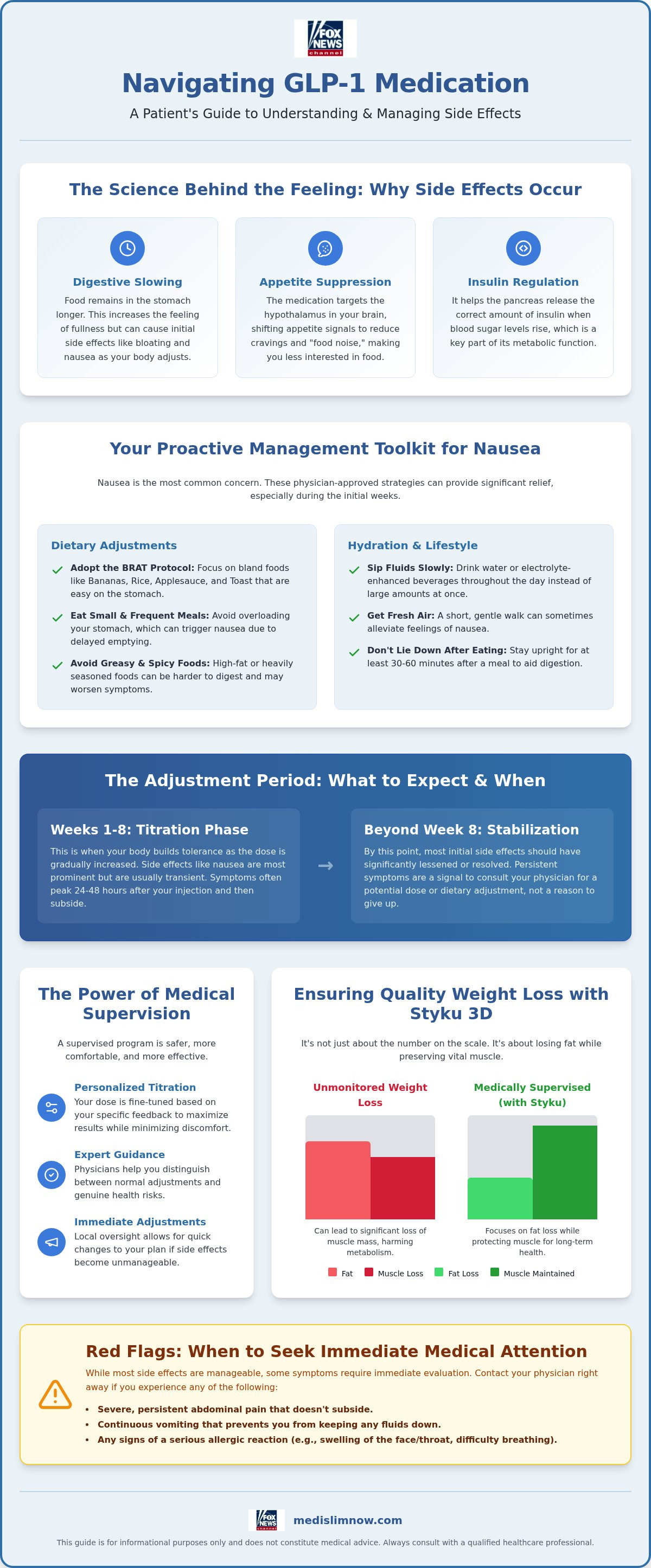
- Digestive Slowing: Food remains in the stomach longer, which increases the feeling of fullness but can cause initial bloating.
- Appetite Suppression: The medication signals the brain's reward centers to reduce cravings and "food noise."
- Insulin Regulation: It helps the pancreas release the correct amount of insulin when blood sugar levels rise.
Transient vs. Persistent Side Effects
The most common side effects of GLP-1 agonists are usually most prominent during the titration phase. This is the first 4 to 8 weeks when your dose is gradually increasing. During this adjustment period, your body is building tolerance. If symptoms persist beyond this window, it often indicates a need for a dose modification or a change in dietary habits. It isn't a struggle you have to face alone. A physician can help you navigate these weeks by fine-tuning your schedule based on your specific feedback.
Professional oversight is key to distinguishing between normal adjustments and genuine risks. We recommend tracking semaglutide results with styku to monitor your health during this phase. This 3D scanning technology helps us see how your body composition is changing in real time. It ensures you're losing fat while maintaining the muscle mass necessary for a healthy metabolism. If side effects become unmanageable, local oversight in Richmond allows for immediate dose adjustments to keep you comfortable and on track toward your goals.
Common Gastrointestinal Side Effects and Management Strategies
Gastrointestinal issues are the most frequent Adverse Effects of GLP-1 Receptor Agonists reported by patients. While these symptoms are often temporary, they can be disruptive during your first few weeks of treatment. Most patients find that symptoms peak 24 to 48 hours after an injection. Managing these side effects of GLP-1 agonists requires a proactive approach to nutrition and hydration rather than just waiting for them to pass. By adjusting how and what you eat, you can significantly reduce discomfort.
Nausea and Vomiting: Immediate Relief Tips
Nausea is the top concern for most patients starting their journey. To manage it effectively, adopt a bland diet during your titration weeks. Focus on the BRAT protocol: bananas, rice, applesauce, and toast. These foods are easy on the stomach and reduce the workload on your digestive system. Hydration is equally critical. Sip water slowly throughout the day rather than drinking large amounts at once. Use electrolyte powders to maintain your mineral balance, especially if you experience vomiting. If nausea prevents you from eating or drinking, contact your Richmond physician. We can discuss medical options or adjust your dosing schedule to ensure your comfort.
Balancing Your Digestive Health
Diarrhea and constipation are common but manageable with the right lifestyle adjustments. The key is finding the correct balance of fiber. Soluble fiber, found in oats and beans, helps slow digestion and adds bulk to loose stools. Insoluble fiber, found in whole grains and vegetables, helps move food through your system to prevent constipation. Aim for a consistent intake of 25 to 30 grams of total fiber daily. High-fat and fried foods are major triggers for GI distress. Because the medication slows your stomach, fatty foods sit longer and can cause significant heartburn or acid reflux.
Some patients report "sulfur burps," which are caused by food breaking down slowly in the stomach. Avoiding large meals before bed and staying upright for at least two hours after eating can help. Small, frequent meals prevent the stomach from becoming overly full and reduce pressure on the esophageal sphincter. If you find these symptoms are impacting your daily life, a medical weight loss consultation can provide you with a personalized nutrition plan tailored to your body's specific response. This professional oversight ensures you stay nourished while minimizing the logistical hurdles of digestive adjustments.
Rare but Serious Risks: What Every Patient Should Know
While most patients only experience mild digestive changes, it's vital to recognize the less common but more significant side effects of GLP-1 agonists. Transparency about these risks allows you to participate in your treatment with a full understanding of the safety protocols involved. A comprehensive review of GLP-1 side effects highlights that while the drug class is generally well-tolerated, specific conditions require vigilance and professional monitoring. Awareness of kidney health is also necessary. Dehydration from GI symptoms can put stress on the kidneys, so maintaining a high fluid intake is a non-negotiable part of your daily routine.
Pancreatitis and Gallbladder Vigilance
Pancreatitis, or inflammation of the pancreas, is a rare complication that requires immediate medical attention. Clinical data indicates that pancreatitis occurs in less than 1% of clinical trial participants. The primary warning sign is severe abdominal pain that often radiates to the back and may be accompanied by persistent vomiting. Gallbladder issues, including gallstones, are also possible. These often stem from the rapid weight loss itself rather than the medication alone. A slow, steady weight loss plan, managed by a physician, significantly reduces the strain on your gallbladder and ensures your body can keep up with the metabolic changes.
Monitoring for Muscle Loss and Nutritional Deficiencies
One of the most overlooked side effects of GLP-1 agonists is the risk of sarcopenia, or the involuntary loss of muscle mass. When you lose weight rapidly, your body might break down muscle tissue alongside fat. This can lead to a "skinny fat" appearance and a slower resting metabolic rate. It's a dangerous trade-off because lean muscle is essential for long-term health and mobility. To prevent this, we prioritize protein-first nutrition and resistance training as core components of our program. You don't have to guess if you're losing the right kind of weight.
We go beyond the numbers on a standard scale to ensure your health remains the priority. By tracking tirzepatide results with styku, we use 3D body composition scanning to differentiate between fat loss and muscle wasting. This data allows us to adjust your dosing or nutrition plan immediately if we see signs of muscle loss. Finally, always stay mindful of the FDA's "black box warning" regarding thyroid C-cell tumors. While this risk was primarily observed in rodent studies, patients with a personal or family history of Medullary Thyroid Carcinoma should avoid these medications. Regular check-ins with your medical team in Glen Allen or Midlothian ensure these rare risks are managed through proactive screening and consistent communication.
The Role of Medical Supervision in Reducing Side Effects
Attempting a "DIY" approach with weight loss injections purchased from unverified online sources is a significant health risk. Without professional oversight, you lack the clinical guidance needed to manage the side effects of GLP-1 agonists effectively. Self-administering these medications often leads to incorrect dosing, which increases the likelihood of severe nausea, vomiting, or dehydration. By contrast, a supervised program integrates weight loss medication into a broader, holistic health plan designed for your specific biology and lifestyle.
Local oversight in Glen Allen or Midlothian provides a safety net that digital-only platforms cannot match. When you have a dedicated medical team, you aren't navigating symptoms alone. We prioritize a partnership where your feedback directly influences your treatment plan. This clinical connection ensures that any discomfort is addressed immediately, preventing minor adjustments from becoming reasons to quit your journey. We move beyond the prescription to focus on the logistical ease and safety of the entire process.
Personalized Dosing and Titration
Your body's response to medication is unique. A "standard" starting dose found in a manufacturer's pamphlet might be too aggressive for your system, leading to unnecessary GI distress. Our Richmond clinicians utilize personalized titration schedules to minimize discomfort. In cases where patients are particularly sensitive, we may employ "micro-titration." This involves smaller, more gradual adjustments rather than large monthly jumps. We monitor your progress weekly, allowing for real-time dose adjustments based on your reported symptoms. If you feel excessive fatigue or nausea, we can pause or reduce the dose immediately to keep you comfortable and functional.
Nutritional Support and Lifestyle Adjustments
The first 48 hours after an injection are critical for managing your body's tolerance. We advise patients to avoid specific food triggers like high-fat dairy, fried foods, and heavily processed sugars during this window. These foods are harder to digest and often exacerbate the slowing of the gastric system. Timing your meals is also essential. Eating smaller portions more frequently helps prevent the stomach from becoming overly distended, which reduces the risk of acid reflux and "sulfur burps."
We use Styku 3D body scans to monitor your lean mass and fat loss with scientific precision. This data allows us to adjust your caloric intake and protein goals based on how your body is actually responding. It ensures you aren't just losing weight, but transforming your body composition while maintaining vital muscle. This level of detail helps us catch potential issues like nutritional deficiencies before they impact your well-being. For a personalized approach to your health journey, contact Medi Slim to start your medical weight loss consultation.
Physician-Led Weight Loss at Medi Slim in Richmond
Choosing a medical weight loss journey shouldn't feel like a solo effort. At Medi Slim, we provide a structured environment where your safety is the primary metric of success. Our consultation process in Henrico and Midlothian is designed to remove the guesswork from your transformation. By integrating semaglutide for weight loss with continuous clinical oversight, we ensure that your body's response is monitored by professionals who know your medical history.
Local access in Mechanicsville and Glen Allen offers a distinct advantage over mail-order services. If you encounter the side effects of GLP-1 agonists, you don't have to wait for an email response or navigate a generic call center. You can speak directly with our team for immediate dose adjustments or nutritional guidance. This proximity transforms a medical procedure into a manageable, integrated part of your modern lifestyle. We prioritize your comfort as much as your results, ensuring that every step of the process is streamlined and user-friendly.
The Medi Slim Safety Protocol
Your journey begins with a comprehensive health screening and baseline blood work. We don't just write prescriptions; we establish a medical foundation to ensure these medications are appropriate for your metabolic profile. This initial data allows us to create a personalized dosing schedule that respects your body's tolerance levels. Throughout your program, you have direct access to our medical team. Whether you have a question about a specific symptom or need reassurance during the titration phase, we're here to provide grounded support. This ongoing monitoring is essential for maintaining long-term metabolic health and preventing common complications.
Visualizing Your Transformation with Styku
The scale is often a poor communicator. It can't tell the difference between fat loss, water retention, or muscle wasting. That's why we include Styku 3D Body Composition Analysis at our Richmond clinic. These scans provide a detailed visual map of your progress, allowing us to see exactly where you're losing inches. It's a critical tool for managing the side effects of GLP-1 agonists, as it helps us ensure you're losing adipose tissue while preserving lean muscle mass.
Seeing the difference between fat loss and temporary inflammation provides the scientific validation many patients need to stay motivated. This visual data removes the anxiety of "plateaus" by showing the internal changes that a standard scale misses. It's about more than just looking better; it's about verifying that your weight loss is healthy and sustainable. When you're ready to move beyond self-guided efforts, scheduling your 3D body composition analysis is the first step toward a professionally managed transformation.
Your Path to Safe, Supervised Weight Loss
Managing the side effects of GLP-1 agonists is a manageable medical process, not a test of your endurance. You've learned that symptoms like nausea or digestive slowing are often temporary biological adjustments that respond well to personalized dosing and clinical guidance. By prioritizing physician-led care over self-guided efforts, you ensure that rare risks are monitored and common discomforts are minimized. Our approach in Richmond, Henrico, and Midlothian focuses on your total health rather than just the number on a scale.
With the inclusion of Styku 3D Body Scanning, we provide the scientific validation needed to confirm you're losing fat while protecting your vital lean muscle mass. This level of professional oversight turns a complex metabolic shift into a streamlined, user-friendly experience that fits into your modern lifestyle. You don't have to navigate these changes alone or guess about your progress.
Schedule Your Medical Weight Loss Consultation in Richmond today to begin your transformation with quiet confidence and professional support. Your health journey deserves a reliable partner committed to your safety and long-term metabolic success.
Frequently Asked Questions
Are GLP-1 side effects permanent?
Most side effects of GLP-1 agonists are temporary and resolve as your body adjusts to the medication. These symptoms typically occur during the first few weeks of treatment or after a dose increase. They're rarely permanent. Once you reach a stable maintenance dose, your digestive system usually adapts. If symptoms persist longer than two months, it's a signal that your titration schedule or dietary habits might need a professional review.
How long do the side effects of Semaglutide last?
You can expect the adjustment period to last between 4 and 8 weeks. This timeframe aligns with the titration phase, where your dose is gradually increased to improve tolerance. Most patients report that nausea or fatigue peaks within the first 48 hours after an injection and then tapers off. Consistent hydration and following a physician-led dosing schedule are the most effective ways to shorten this uncomfortable transition period.
Can I take Tirzepatide if I have a history of acid reflux?
Yes, you can take Tirzepatide with a history of acid reflux, but it requires careful management. Because the medication slows gastric emptying, food stays in your stomach longer, which can exacerbate reflux symptoms. We recommend eating smaller, more frequent meals and avoiding food for at least two hours before lying down. Our clinicians can adjust your dosing frequency or suggest over-the-counter remedies to keep you comfortable during your journey.
What should I eat to avoid nausea on GLP-1 agonists?
Stick to bland, low-fat foods like the BRAT diet (bananas, rice, applesauce, toast) during your first few weeks. High-fat, fried, or sugary foods are primary triggers for nausea because they're difficult to digest when gastric emptying is delayed. Prioritize lean proteins and small portions. Staying hydrated with electrolytes is also essential. Avoid large meals before bedtime to prevent overnight digestive distress and ensure you wake up feeling refreshed.
Is "Ozempic Face" a real side effect or just weight loss?
"Ozempic Face" isn't a direct medical side effect of the drug itself. It's actually the result of rapid fat loss from the facial area. When you lose weight quickly, the skin sometimes loses its structural support before it can tighten, leading to a more hollowed or aged appearance. This can happen with any significant weight loss method. We monitor your progress with Styku 3D scans to ensure your fat loss is healthy and gradual.
When should I call my doctor about GLP-1 side effects?
You should contact your medical team immediately if you experience severe abdominal pain that radiates to your back. This can be a sign of pancreatitis. Other red flags include persistent vomiting that prevents hydration, signs of a severe allergic reaction, or a noticeable change in your mood. While mild nausea is common, any symptom that prevents you from functioning normally deserves a professional consultation to ensure your safety and long-term well-being.
Does everyone experience side effects on these medications?
Not every patient experiences the side effects of GLP-1 agonists. While clinical trials show that gastrointestinal symptoms are common, many individuals tolerate the medication with minimal or no discomfort. Your reaction depends on your unique biology, your starting dose, and how quickly you increase that dose. Following a physician-supervised plan significantly reduces the likelihood of severe symptoms. We focus on finding the "sweet spot" where you lose weight without feeling sidelined.
How does Medi Slim help manage side effects for Richmond patients?
We provide local, physician-led oversight in Richmond, Glen Allen, and Midlothian to ensure your journey is safe. Our team uses personalized titration schedules and Styku 3D Body Composition Analysis to monitor your health in real time. If you experience discomfort, you can reach out to us for an immediate dose adjustment. This direct access to a medical team prevents the complications often seen with self-guided or unverified online weight loss programs.